
The Nature of Luck in Gambling
Luck is often considered one of the most compelling aspects of the gambling experience, infusing it with excitement and unpredictability. In casinos, the outcomes of many games hinge on chance, with players experiencing significant swings in fortune with each roll of the dice or spin of the wheel. This element of randomness can lead players to feel as though they are entirely at the mercy of luck. However, the distinction between luck and skill is a complex one, particularly in games where strategic play can significantly influence results, especially when using top betting sites that offer insights and tools. Many gamblers tend to attribute their wins and losses to luck, but a deeper analysis reveals the importance of strategic decision-making.
Different casino games also showcase varying degrees of luck and skill. For example, slot machines and roulette are largely driven by chance, with players having little control over outcomes. In contrast, card games such as poker require a combination of luck and skill, where understanding opponents and making informed decisions play crucial roles. As players engage with these games, the conversation around luck becomes more intricate, prompting debates on whether it is a primary factor or simply one element in a broader strategic framework.
Additionally, psychological factors surrounding luck can significantly impact gambling behavior. Many players develop rituals or superstitions, believing that certain actions can enhance their luck. These can include wearing specific clothing, choosing lucky numbers, or even playing at certain times. By understanding the psychological interplay between luck and these behaviors, players can approach their gaming experiences with a more analytical mindset, recognizing that outcomes are influenced by both chance and personal strategy.
The Role of Probability and Odds
While luck undoubtedly affects individual game outcomes, the principles of probability and odds provide a more comprehensive understanding of long-term results in casino gaming. Each game features a specific house edge, which represents the statistical advantage that casinos maintain over players. Familiarity with these odds is crucial for anyone seeking to optimize their gaming experience. For example, in blackjack, employing optimal strategies can reduce the house edge to around 0.5%, offering players a better chance of winning compared to slots, which may present a house edge of over 10%.
By grasping the underlying probabilities, players can counteract the effects of luck. In games like blackjack and poker, experienced players can apply strategies that minimize losses and enhance potential gains over time. They focus on calculating probabilities, recognizing patterns, and making informed decisions based on mathematical principles rather than relying solely on luck. This strategic approach starkly contrasts with games that allow little room for skill, where players must confront the reality that luck reigns supreme.

Ultimately, a solid understanding of the mathematical foundations of casino games empowers players, equipping them with tools to assess risk and make calculated choices. Recognizing that luck will always play a role in any gaming session, players can blend their knowledge of the odds with their instincts, illustrating that while they may hope for luck to favor them, a sound grasp of probability is equally essential for achieving lasting success.
The Influence of Environment and Casino Design
The design and atmosphere of a casino can significantly shape players’ perceptions of luck and influence their overall experiences. Casinos are meticulously crafted environments tailored to enhance excitement and immerse players in a world where luck seems to flourish. The use of vibrant colors, engaging sounds from slot machines, and the visual allure of game tables work in concert to create a thrilling environment. This atmosphere can lead players to feel as though their luck is more favorable when they are emotionally engaged and surrounded by the excitement of the casino.
Research indicates that external factors, such as the layout of the casino and the presence of fellow players, can impact individual performance. A crowded casino can instill a heightened sense of competition, which may embolden players to make bolder bets. Conversely, a quieter setting might encourage more cautious play, demonstrating that player experiences can be swayed by their surroundings. Thus, while players may feel that luck dictates their outcomes, environmental influences can also be a significant factor.
The “hot hand fallacy” further exemplifies how perceptions of luck can be shaped by one’s environment. When a player wins multiple times in succession, they may perceive themselves to be on a winning streak, leading to increased betting and a more relaxed mindset. While this can enhance the enjoyment of gaming, it may also result in riskier decisions with potential financial repercussions. Therefore, understanding how the ambiance and social dynamics of a casino can distort perceptions of luck is crucial for players striving to maintain a balanced and responsible gaming approach.
The Interaction Between Luck and Strategy
Although luck is undeniably a factor in casino outcomes, its interaction with strategic thinking often determines a player’s success. In games such as poker, the ability to blend luck with skill can lead to notable victories. Players must find the right balance between taking calculated risks and exercising caution. Those who depend solely on luck may struggle against more adept opponents who utilize strategies grounded in their understanding of probabilities and human behavior.
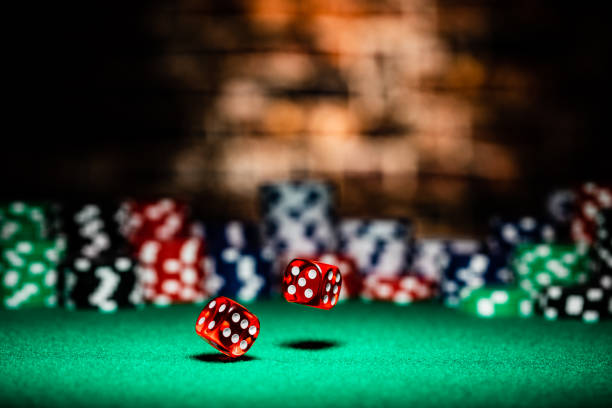
For instance, an experienced poker player will analyze the betting trends and behaviors of others, adjusting their strategy in response. Conversely, a novice may rely on sheer luck in their decision-making. This distinction highlights the importance of preparation and skill development, which can effectively mitigate the randomness introduced by luck. Thus, while players may wish for fortunate hands or spins, having a well-defined strategy can significantly influence the outcomes of their gaming sessions.
Moreover, recognizing that luck can fluctuate empowers players to take control of their gaming experience. By acknowledging that they can enhance their odds through strategic play, individuals are less likely to attribute outcomes solely to luck. This shift in perspective can lead to more satisfying gaming experiences, reinforcing the notion that while luck may set the stage, players’ decisions are the ones that ultimately shape the unfolding narrative of their gaming adventures.
Responsible Gaming and Understanding Luck
Understanding the role of luck in gambling is essential for promoting responsible gaming practices. Players should recognize that while luck plays a role, it should never overshadow the importance of strategy and prudent spending. Gaming institutions stress the significance of setting limits and being aware when a gaming session begins to feel more about chance than enjoyment. Players must gauge their relationship with luck, recognizing that outcomes are not entirely dictated by it and that strategic thinking is key to their overall experience.
Incorporating knowledge of probabilities and strategies into gameplay can enable players to make informed choices, reducing their reliance on luck as the sole determinant of success. A balanced approach recognizes that while luck can influence outcomes in the short term, it is the consistent application of strategy that leads to better results over time. This balance nurtures a healthier relationship with gaming, allowing players to revel in the thrill of the game without becoming ensnared by the whims of luck.
As conversations surrounding gambling continue to evolve, emphasizing the understanding of luck and its interaction with responsible gaming strategies has become increasingly vital. With the right mindset, players can engage in gaming as a form of entertainment, rather than a perilous venture driven merely by chance. Realizing that luck is just one component among many is crucial for achieving a fulfilling and responsible gaming experience, ensuring that the thrill of the game remains a source of enjoyment rather than a source of stress.